As the end of the year approaches, dental practices are facing a crucial period when it comes to planning supplies, checking stock levels and organising purchases.
November is a key time to analyse consumption figures from previous months, identify any stock management issues and plan the replenishment of disposable supplies in preparation for the final weeks of the year and the start of the new year.
Cups, saliva ejectors, dental bibs, napkins and other dental consumables are essential items in day-to-day clinical practice. Their availability has a direct impact on the organisation of procedures, operational continuity and the efficiency of the practice.
Careful stock management helps to avoid unnecessary purchases, minimising waste and ensuring that essential equipment is available, without compromising the quality of care.
Dental practice stock management: the main critical issues
Stock management is an aspect that is often underestimated in the running of a dental practice.
The large amount of materials used on a daily basis, combined with varying consumption rates, necessitates a control system capable of balancing availability with the optimisation of space.
Inadequate planning can lead to two contrasting problems: overstocking of rarely used products and a shortage of fast-moving items.
In the first instance, an excess of materials can lead to budgets being tied up, space being occupied and greater difficulties in meeting deadlines.
In the second, meanwhile, a shortage of essential supplies can slow the preparation of clinical stations, necessitating urgent purchases and disrupting the normal organisation of appointments.
Particular attention must be paid to materials that are used frequently, including:
- Disposable cups, which are required for many dental procedures;
- Saliva ejectors, used for fluid management during treatment;
- Protective bibs, essential for protecting the patient’s clothing;
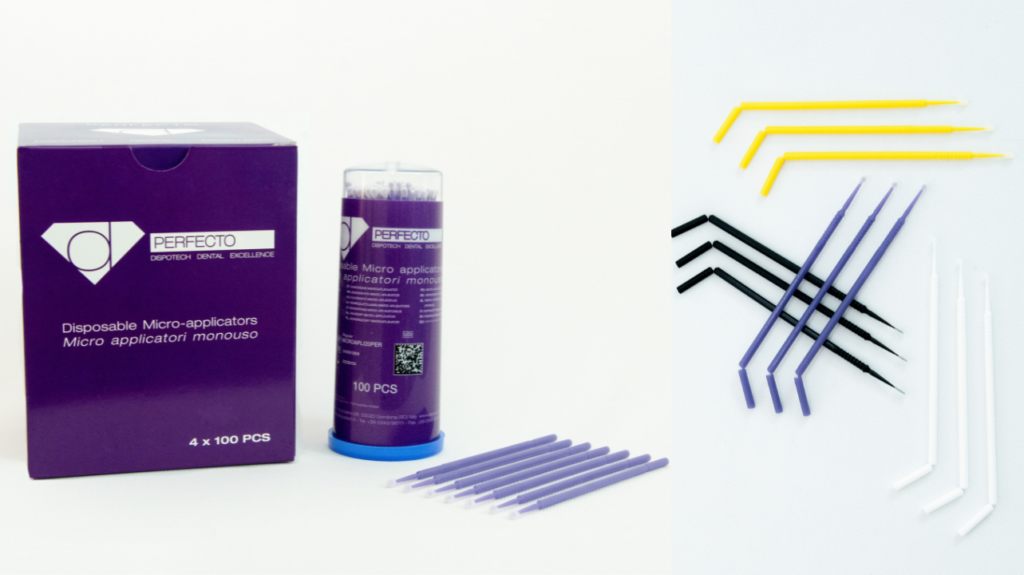
- Micro-applicators, used in various restorative procedures and for the localised application of materials;
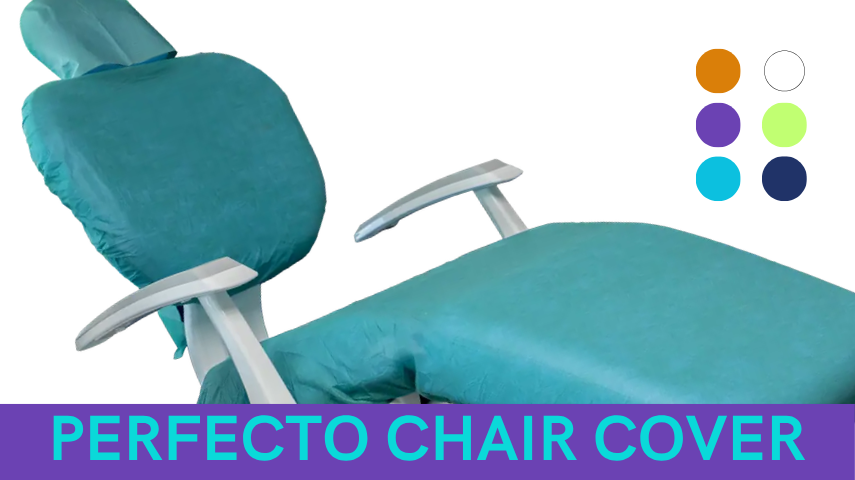
- Napkins and headrest covers, designed to ensure the patient’s protection and comfort.
Monitoring the consumption of these items enables dental practices to identify purchasing priorities and plan reorders more efficiently.
The November check-list for optimising dental practice supplies
Proper planning for end-of-year purchases should begin with an analysis of planned activities and actual consumption figures.
The goal is not simply to stock up the warehouse, but also to determine the practice’s realistic requirements, on the basis of the number of patients, the type of treatment and how often the devices in question are used.
To organise the dental practice’s supplies properly, it is helpful to take a few key steps:
- Check stock levels: carry out a stock-take of the available products, checking quantities, the condition of the packaging and expiry dates, where applicable.
- Analyse consumption: compare the materials used in previous months to identify the items with the highest turnover.
- Assess appointments: take into account the number of scheduled appointments, the most common procedures and any additional treatments planned before the end of the financial year.
- Establish a safety stock: keep an additional stock of essential materials to cope with unexpected fluctuations in demand or delays in deliveries.
- Plan reorders: organise purchases according to delivery times and the quantities actually required.
A practical method is to work out the average consumption per appointment, before multiplying this by the number of appointments scheduled.
For example, a practice that uses, on average, one disposable cup per patient and schedules 500 appointments will have a basic requirement of 500 cups, to which a safety stock should be added if necessary.
The quantity to be ordered will then be calculated by subtracting the available stock and any deliveries already confirmed as forthcoming.
This approach makes purchasing more predictable, reducing the risk of overstocking and stock-outs.
Disposable dental consumables: quality and organisation of supplies
When choosing disposable dental products, the purchase price is just one of the factors to take into account.
The quality of the materials, their durability, their practicality and the ease with which they can be sourced all contribute to the efficiency of clinical activities.
A product that is not very functional or requires frequent replacement can lead to additional consumption and delays in procedures, thereby affecting the overall cost of operation.
For this reason, it is important to assess supplies whilst also taking into account:
- reliability of devices and material properties;
- functionality during the preparation and performance of treatments;
- packaging that is suited to the practice’s consumption;
- continuous availability of products;
- simplification of purchasing and reordering procedures.
Within this context, relying on a coordinated range of products can help to reduce order fragmentation and make it easier to manage product lines.
Being able to rely on a consistent and easily identifiable range also enables staff to organise storage spaces more effectively and speed up the preparation of workstations.
Perfecto by Dispotech: co-ordinated supply and a focus on the practice’s identity
The organisation of a dental practice is not solely about the efficiency of stock management; the quality of the patient experience and the practice’s professional image are also important.
Choosing a coordinated range of disposable materials offers an opportunity to combine functionality with an eye for aesthetics.
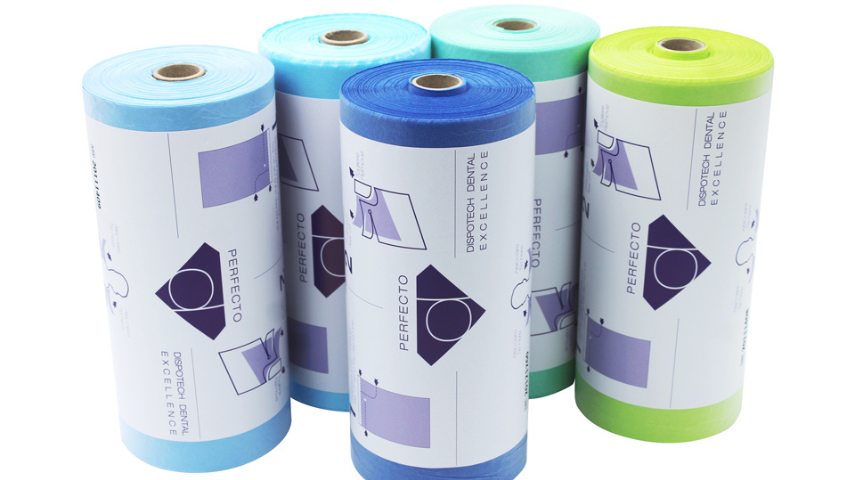
The Perfecto by Dispotech range comprises a wide range of products designed to meet the needs of dental practices, including Perfecto Cups, Perfecto Saliva Ejectors, Perfecto Bibs, Perfecto Napkins and Perfecto Trays.
The range of colours available enables dental practices to select products that are in keeping with the clinic’s visual identity, whilst also enhancing the items used on a daily basis during appointments.
Cups, bibs and napkins can form part of a coordinated clinical environment, helping to convey a sense of order, attention to detail and professionalism.
From an organisational perspective, the ability to choose multiple product codes within a single range helps to simplify product selection and standardise procurement procedures.
The use of coordinated materials can therefore offer a twofold advantage: on the one hand, it enables more organised management of supplies; on the other, it provides a recognisable aesthetic identity capable of enhancing the overall perception of the clinical environment.
End-of-year budget: plan today for next year’s supplies
The November stock-take also provides an opportunity to draw up a more efficient purchasing strategy for the year to come.
Carrying out an analysis of quantities makes it possible to identify any wastage, compare consumption levels across different periods and assess whether the procurement methods currently in place are still appropriate for the practice’s needs.
When setting a budget for consumables, one should take into account not only the unit price of the products, but also the costs of managing orders, the available space and the frequency of restocking.
Concentrating purchases with a single supplier offering a comprehensive range can help to simplify administrative tasks and stock monitoring, although it is necessary to review of the commercial terms and the continuity of supply.
Choosing packaging sizes that match actual consumption levels also helps to prevent unnecessary stockpiling.
The aim is to develop a stock management system based on planning, cost control and the constant availability of essential materials.
An approach that enables practices to start the new year with better-organised processes and a greater awareness of the resources used.
Efficient stock management for a better-organised dental practice
Optimising end-of-year supplies means investing in the quality of the day-to-day running of a dental practice.
Careful management of consumables helps to reduce waste, improve the availability of materials and ensure greater continuity in clinical procedures, with benefits for both healthcare professionals and patients.
Choosing reliable devices that can be easily integrated into the practice’s processes therefore forms part of a broader strategy focused on operational efficiency and the quality of care.
Perfecto by Dispotech supports dentists, dental hygienists and dental practices throughout this process, with a comprehensive range of disposable products designed to combine quality, practicality and attention to detail.
The ability to organise supplies using coordinated solutions, available in a range of sizes and colours, makes it possible to meet clinical needs without compromising the practice’s identity.
Because a well-managed inventory is not only a financial advantage, but also plays a key role in ensuring safety, comfort and a high-quality professional experience.