With the arrival of summer, the number of scheduled appointments – such as tooth extractions, outpatient oral surgery and implant treatments – increases.
At the same time, there is also a growing number of patients who wish to make the post-operative recovery as comfortable as possible, by minimising swelling and any discomfort in the days following the operation.
For dental practices, supporting patients through the post-operative phase is a key aspect of the quality of care provided.
Providing clear guidance and appropriate tools helps to improve the patient’s experience and makes the recovery process less stressful.
Why does post-operative swelling occur?
Swelling following a tooth extraction or oral surgery is the body’s physiological response to local trauma.
During the procedure, the tissues are inevitably subjected to stress, and the inflammatory system triggers a series of mechanisms designed to promote repair.
These include an increase in the permeability of blood vessels, which leads to the accumulation of fluid in the tissues and the development of oedema.
Generally, the swelling following a tooth extraction peaks between 48 and 72 hours after the procedure, before gradually subsiding over the following days.
Proper management of the first few hours can help to improve the patient’s comfort during this stage of recovery. (Source: American Association of Oral and Maxillofacial Surgeons (AAOMS) )
How does the cold affect tissues?
Cold therapy in dentistry is one of the most commonly used methods in the management of the immediate post-operative period.
Applying cold to the affected area causes temporary vasoconstriction, helping to limit the build-up of fluid in the tissues and providing a local analgesic effect.
This can result in greater comfort for the patient in the hours immediately following the operation.
The use of specialised devices, such as instant ice packs, also makes it possible to provide patients with a practical, hygienic and ready-to-use solution that can be easily used at home, in accordance with the instructions provided by the healthcare professional. (Source: National Library of Medicine (PubMed) )
When to apply ice after a tooth extraction
To get the most benefit, ice should be applied as soon as possible after the procedure.
The commonly-followed guidelines recommend alternating application cycles, for example 15–20 minutes of application followed by a break of the same duration, during the first 24–48 hours after the operation.
It is important avoid direct contact between the ice and the skin, always using a barrier between the device and the cutaneous tissues.
Of course, each patient must follow the specific instructions provided by their dentist, who may adapt the post-operative care plan depending on the type of procedure carried out and the patient’s individual clinical condition. (Source: American Association of Oral and Maxillofacial Surgeons (AAOMS) )
Mistakes to avoid
Although cold can be a valuable aid to recovery following oral surgery, it is important to use it correctly.
Some of the most common mistakes include:
- applying ice directly to the skin;
- keeping cold applied continuously, without any breaks;
- starting cryotherapy many hours after the operation, when the benefit is generally less;
- using ice as a substitute for the treatment prescribed by a healthcare professional.
Providing patients with accurate information helps to improve their adherence to post-operative instructions and enables them to approach their recovery with greater peace of mind. (Source: American Association of Oral and Maxillofacial Surgeons (AAOMS) )
What does the scientific evidence say?
The scientific literature suggests that cryotherapy may offer benefits, particularly in terms of pain management and perceived comfort during the early stages of the post-operative period.
With regard to the reduction of swelling, the available results are more variable and depend on factors such as the method, duration and timing of cold application.
Studies therefore highlight the importance of using cold therapy as part of a structured post-operative protocol and in accordance with the healthcare professional’s instructions. (Source: National Library of Medicine (PubMed) )
Supporting recovery means improving the patient experience
The quality of the post-operative recovery process does not depend solely on the surgical procedure itself, but also on the care given during the subsequent stages.
Providing patients with simple guidance, practical aids and tools designed to facilitate recovery helps to improve comfort, adherence to clinical instructions and the perceived quality of care.
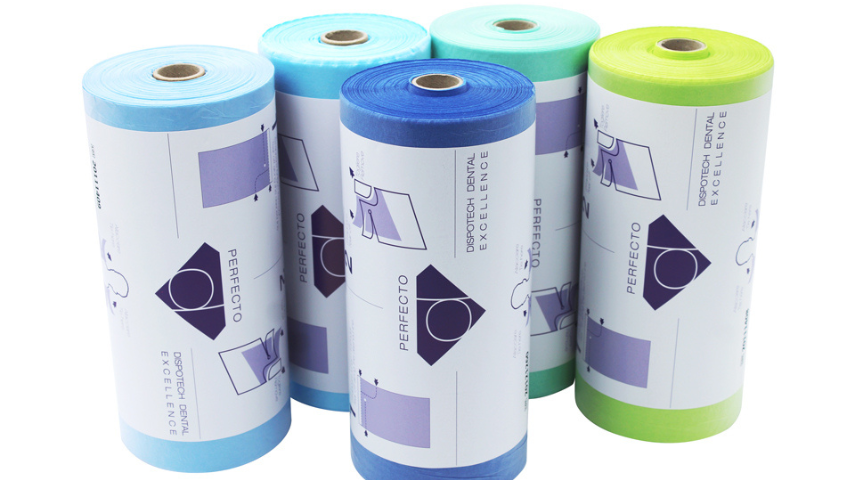
Perfecto by Dispotech supports dental practices with solutions designed to assist practitioners at every stage of the clinical process, offering practical and reliable devices, including for post-operative care.