Not only does the adoption of green strategies significantly contribute towards environmental protection, reducing the ecological impact of day-to-day activities, it also provides opportunities for improving the operational efficacy of the surgery and long-term cost optimisation.
Indeed, sustainable solutions, such as the use of low energy consumption technologies, the recycling of materials and a more informed management of water and electric resources can all translate into significant economic savings.
An ecosustainable approach can also reinforce the surgery’s reputation, attracting patients who are mindful of environmental issues, while also promoting a modern and responsible image.
Practices to adopt for an ecosustainable surgery
We will now explore a few key strategies for making a dental surgery more ecological, from the choice of materials and instruments, to technological and management innovations.
Energy efficiency
Implementing high energy efficiency lighting, heating and conditioning systems can significantly reduce CO2 emissions.
The installation of solar panels, or the use of renewable energy providers are further steps towards sustainability.
Water conservation
The use of water saving devices, such as low-flow faucets and waterless aspiration systems, can significantly reduce water consumption.
Not only do such measures preserve a precious resource, the also reduce operating costs.
Waste management
The correct disposal and recycling of dental material is fundamental.
Reducing the use of disposable plastic by opting for reusable or biodegradable alternatives, such as stainless steel aspiration straws and reusable sterilisation bags, contributes towards environmental impact reduction.
Ecological products
Choosing non-toxic and environmentally friendly dental materials is essential.
This includes the use of biodegradable dental floss, bamboo toothbrushes and ecological packaging for dental supplies.
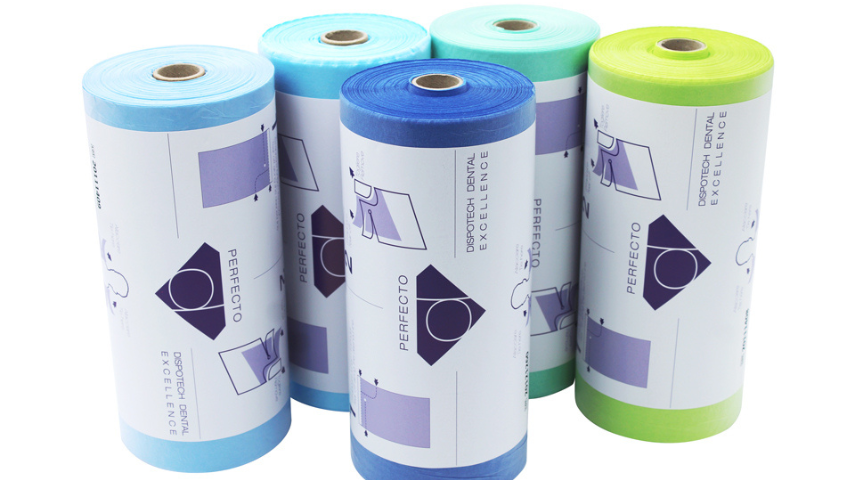
To this effect, Dispotech provides useful materials for the ecological operation of dental facilities.
The Perfecto ECO Bibs, to name but one, is made from 42% less plastic compared to standard ones, while still maintaining the same quality characteristics.
Perfecto Eco Cups are another example: 100% recyclable cups for use in dental surgeries
Digitalisation and paper reduction
The adoption of digital registers and electronic document management systems reduces the use of paper, improving efficiency and minimising environmental impact.
The digitalisation of x-rays and clinical documents facilitates access to information, while also eliminating the need for chemical development materials.
Teledentistry
The implementation of teledentistry services reduces patient travel, thus lowering emissions linked to transport.
This approach offers greater flexibility and access to care.
Education and personnel involvement
Training the surgery team on sustainable practices and actively involving it in ecological initiatives ensures the adoption and maintenance of environmentally-friendly behaviours.
Encouraging the use of sustainable means of transport for personnel and patients further contributes towards reducing the surgery’s carbon footprint.
Conclusion
Climate change is one of the urgent challenges of our time, with repercussions in every sector, including healthcare assistance and dentistry, as highlighted by the EFP.
The rise in global temperatures, the greater frequency of extreme climate events and altered precipitation patterns not only threaten public health and the environment, they are also putting the resilience of healthcare facilities to the test.
However, all professionals, dentists included, can play a crucial role in mitigating these impacts, by adopting more sustainable practices.
By reducing the waste of resources, choosing eco-compatible materials and optimising operating processes, dental surgeries can contribute towards a greener and healthier future.
In addition to being an ethical response to the climate crisis, these changes improve efficiency and reinforce the relationship of trust with patients, who are increasingly mindful of environmental issues.
Acting today, if only in small steps, means building a more responsible society, one that is better prepared to face tomorrow’s challenges, remaining mindful of the fact that many individual gestures can make a global difference.